


A practical guide for rare disease families navigating IEPs… because your child deserves more than a checklist.
About this series:For Families is a resource series by Rare Genes Movement offering practical guidance, advocacy tools, and plain-language frameworks for families navigating rare genetic conditions. Not every skill discussed here will belong in every IEP. Some may be addressed through school services, therapies, transition planning, or home-based learning. The goal is not where the skill is taught, but ensuring it isn’t overlooked.
Nobody Hands You a Roadmap.
When your child gets a rare diagnosis, you get a lot of things. A binder, maybe. A list of specialists. A follow-up appointment six months away. What you usually don’t get? Any guidance on what to actually prioritize for your child’s daily life. IEPs — Individualized Education Plans — tend to focus heavily on academics. Reading levels. Math benchmarks. Standardized goals that work great for a lot of kids… and can completely miss the point for children with rare genetic conditions. Because for many of our kids, the goals that matter most aren’t on a test. They’re about getting dressed in the morning. Saying “I need help.” Knowing what to do if something feels wrong. This is a framework for the goals worth fighting for… especially when the system doesn’t hand them to you.
Before we dive in
Independence may not look typical for your child. That’s okay.
What matters is maximizing autonomy, safety, and participation at every stage… with the right supports in place.

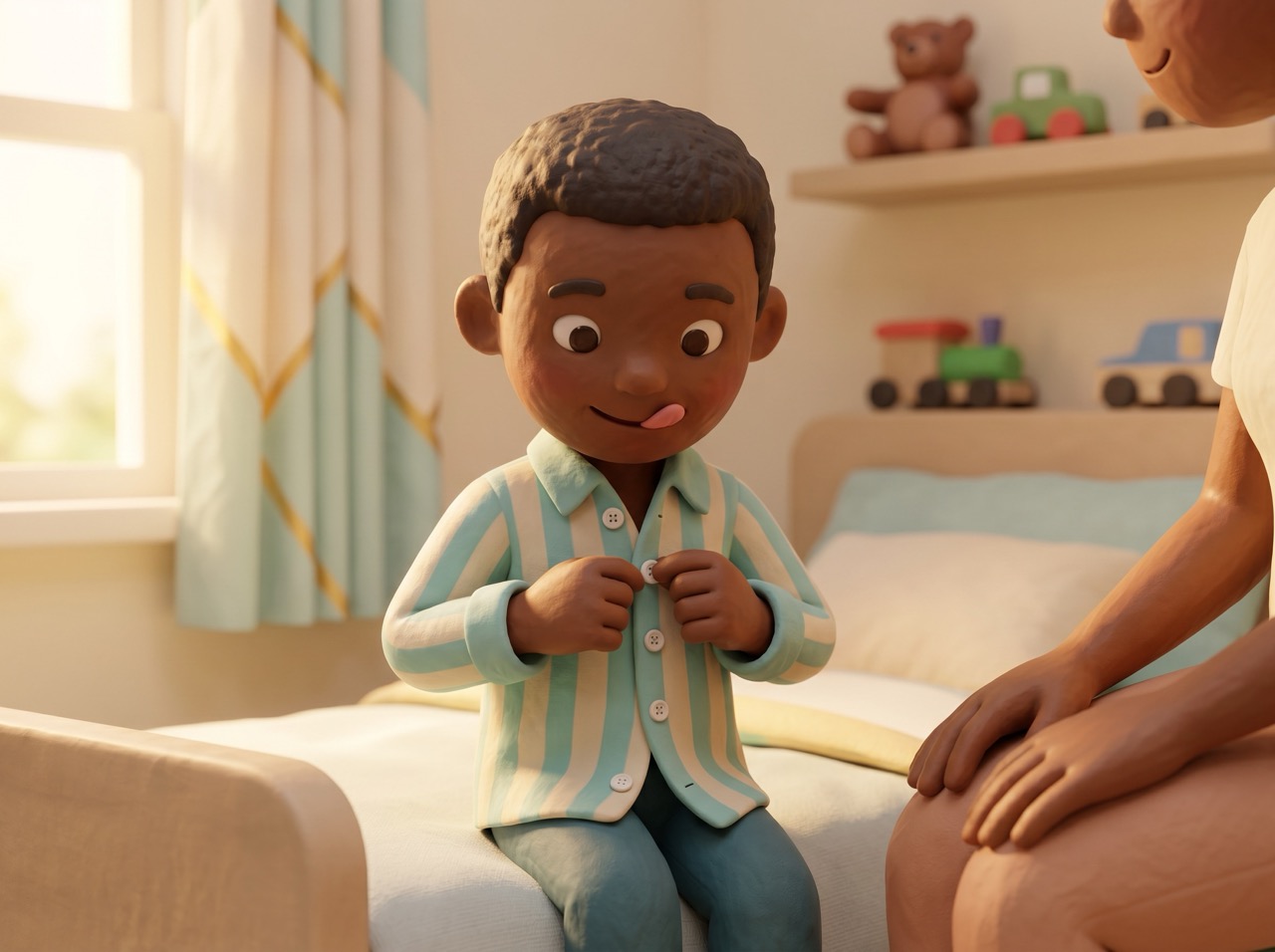
1. It’s Not Just About Getting Dressed. It’s About Getting Dressed Their Way.
Functional goals should consider how a skill is performed, not just whether it gets done. There’s a big difference between “child can dress independently” and “child can dress with dignity, at their own pace, with adaptive supports that actually work for their body.” Goals families may advocate for:
- Toileting routines that prioritize privacy, safety, and dignity
- Dressing with adaptive strategies, sequencing supports, or choice-making
- Feeding goals that account for fatigue, hypotonia, sensory needs, or stamina
These skills directly impact self-esteem, bodily autonomy, and long-term caregiving needs… far beyond the classroom.
2. If They Can’t Say It, They Can’t Be Safe.
For many rare children, communication isn’t just a social skill. It’s a safety skill. A child who can’t tell you they’re in pain can’t get help. A child who can’t say “stop” has no protection. That’s not dramatic — that’s just real. Goals to consider:
- Expressing pain, discomfort, or medical needs using speech, AAC, or other supports
- Asking for help appropriately across different settings
- Making choices and expressing preferences
- Communicating “no,” “stop,” or “I don’t like this”
When children cannot communicate their needs, they are at higher risk for unmet medical issues, frustration-based behaviors, and safety concerns. This goal category is not optional.
3. You Don’t Have to Be Independent to Be Safe.
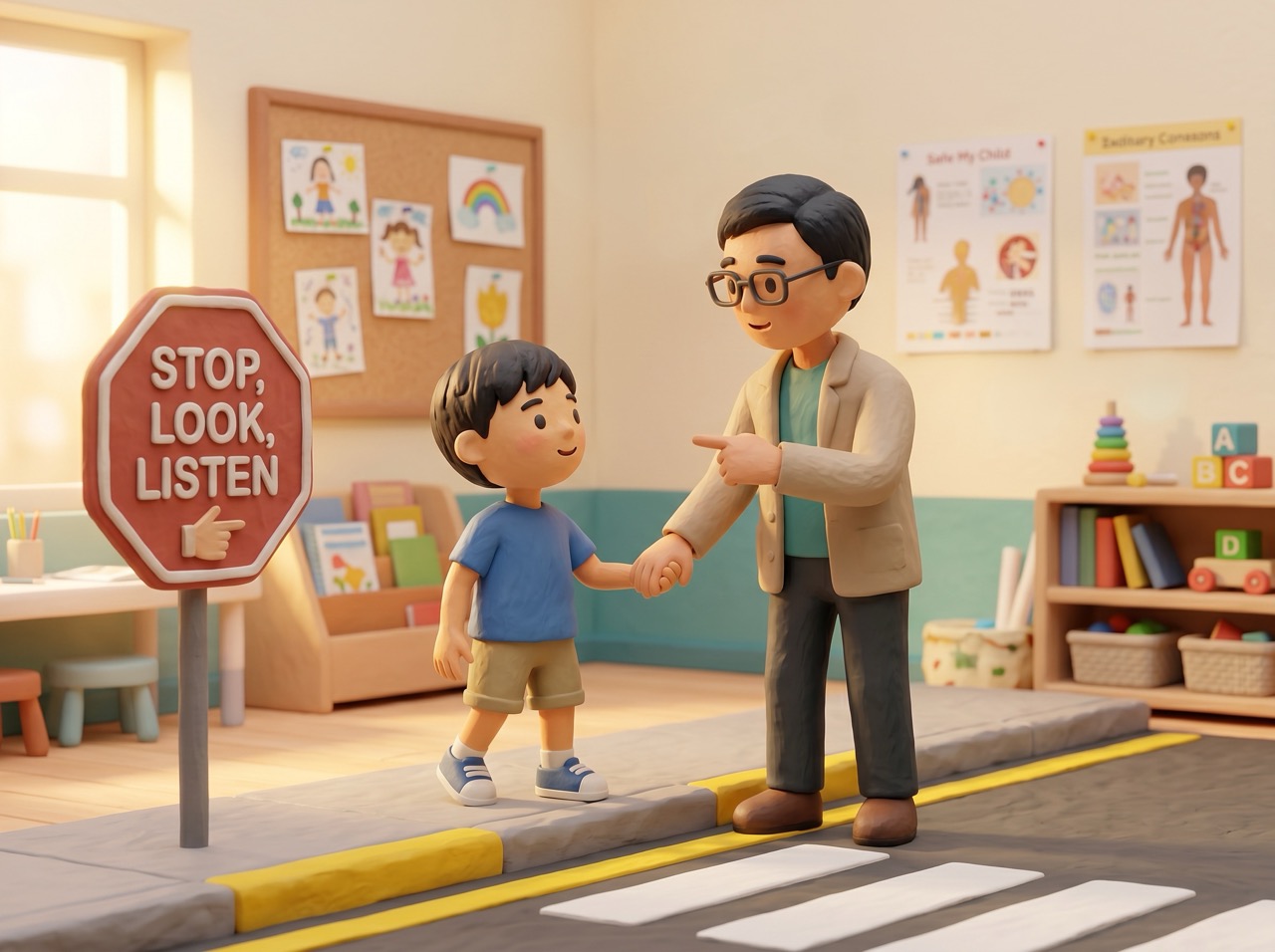
Here’s something the IEP world doesn’t say enough: a child can require full-time supervision AND still benefit enormously from safety skill goals. Supervision isn’t the same as safety knowledge. And rare kids often have many different adults in their lives — caregivers, therapists, teachers, substitute staff. Safety skills are protection even when someone is always watching. Important goals may include:
- Knowing their name and caregiver contact information
- Recognizing familiar helpers versus unfamiliar or unsafe situations
- Understanding basic concepts like traffic, wandering risks, and temperature hazards
- Practicing emergency responses in developmentally appropriate ways
4. Real Life Doesn’t Happen on a Worksheet.
Life skills should be practiced in real environments — not simulated ones. There’s limited value in a child completing a “mock grocery store” activity once a week if they never practice in an actual store. Functional daily living goals should be embedded in real contexts as much as possible. Goals may include:
- Using adaptive utensils or tools consistently across environments
- Participating in simple meal preparation or cleanup
- Following visual routines for daily transitions
- Managing personal belongings like backpacks, devices, or medical items
Participation in daily life builds confidence and reduces long-term dependency… even when ongoing support remains necessary.
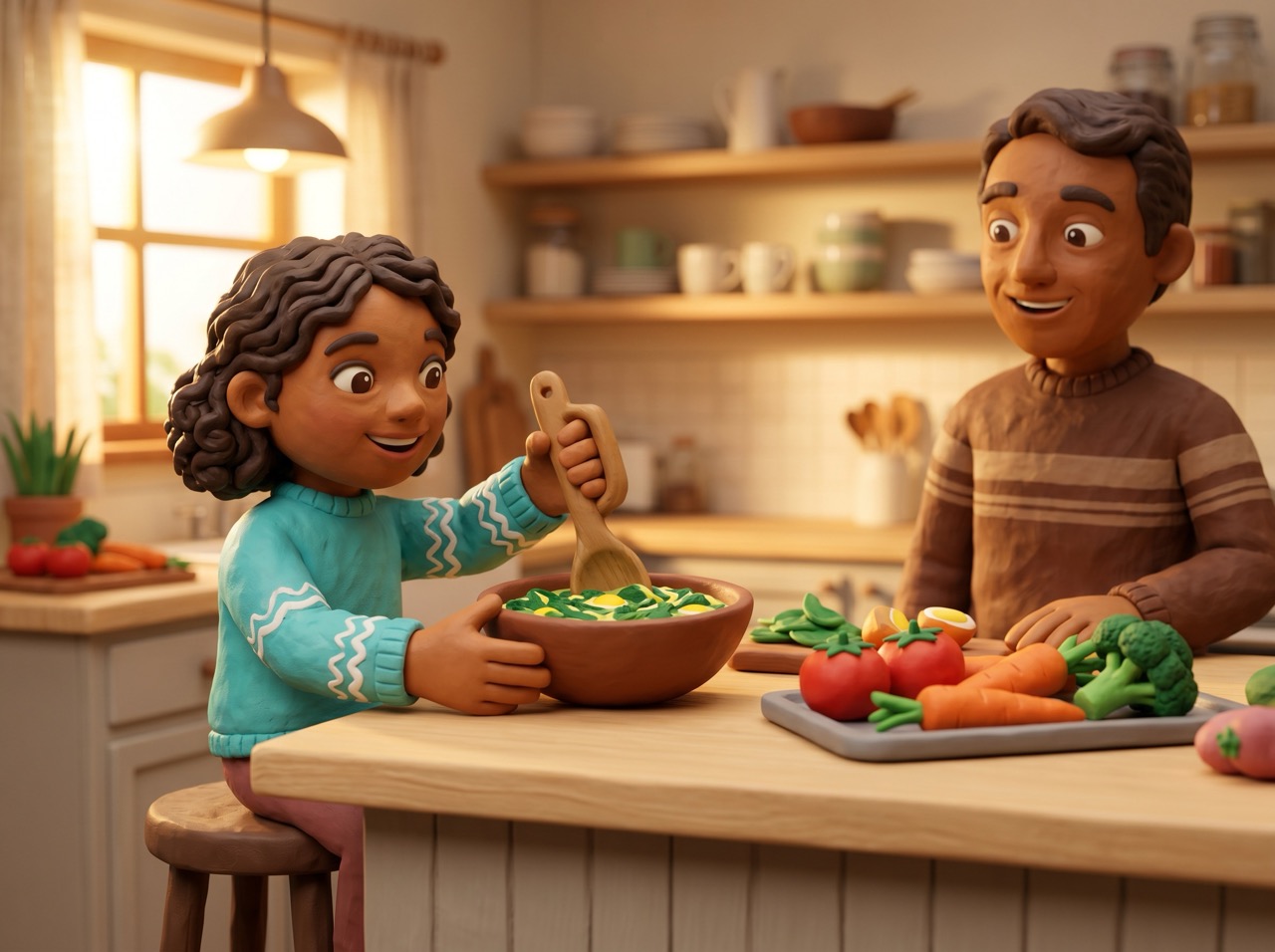
5. Yes, Cooking Counts. Yes, So Does Buying a Snack.
For some rare individuals, preparing a simple meal or purchasing something at a store is a genuinely meaningful step toward autonomy. Don’t let anyone minimize that. Examples may include:
- Preparing simple meals using visual or step-by-step supports
- Using adaptive tools to accommodate motor or sensory needs
- Identifying items to purchase and understanding the exchange process
- Practicing waiting, turn-taking, and interacting with cashiers or staff
These goals are not about forcing independence where it isn’t appropriate. They are about honoring capability where it exists… and supporting participation where it doesn’t yet.
6. Getting Somewhere Is About More Than Going Alone.
Transportation goals are often overlooked until a child is older. Don’t wait. The habits and knowledge built early create the foundation for access to medical care, employment programs, and community life later. Goals may include:
- Recognizing familiar routes or stops
- Following visual travel routines and entering or exiting vehicles safely
- Asking designated helpers for assistance
- Using adaptive tools such as apps, transit cards, or visual supports
Transportation goals are often less about independence and more about predictability, safety, and reducing caregiver burden over time.
7. “Behavioral” Might Actually Mean “Overwhelmed.”
Many rare conditions impact emotional regulation, sensory processing, and stamina in ways that get misread as behavior problems. They’re not. They’re communication. Goals may include:
- Recognizing personal signs of overwhelm or fatigue
- Using coping strategies with adult support
- Requesting breaks or accommodations before reaching a breaking point
- Identifying emotions and communicating needs
These skills support participation across every environment… and help prevent challenges that are often mislabeled and mishandled.
Here’s the Part Nobody Warns You About.
Many rare families receive a diagnosis… and then silence. No roadmap. No priority list. No one sitting down with you to say “here’s what matters most.” Some children will progress unevenly. Some will plateau or regress. Some will always require significant support. That does not make these goals irrelevant. It makes them essential.
You Don’t Have to Fight for Everything at Once.
- Choose one or two priorities and start there
- Ask questions and request explanations when goals are excluded from the IEP
- Document every conversation with your child’s team
- Remember… advocating for functional skills is not asking for more. It is asking for what truly matters.
A Note from Rare Genes Movement
We believe families deserve clarity, compassion, and practical tools… not just diagnoses. If you are navigating an IEP process for a child with a rare genetic condition and you don’t know where to start, you are not alone. These conversations are hard. The system was not built with rare in mind. But your child’s quality of life, safety, and dignity are worth fighting for. And we are here to help you find the language to do it.
Additional Resource
This post was inspired by resources at adayinourshoes.com, an excellent IEP advocacy resource for families. The framework and rare disease lens reflected here are original to Rare Genes Movement.
This post is for informational purposes only and does not constitute medical or legal advice. Always consult qualified professionals regarding your child’s individual education plan, medical needs, or therapeutic goals.


